
Verse vs. Scripture: Understanding God’s Word
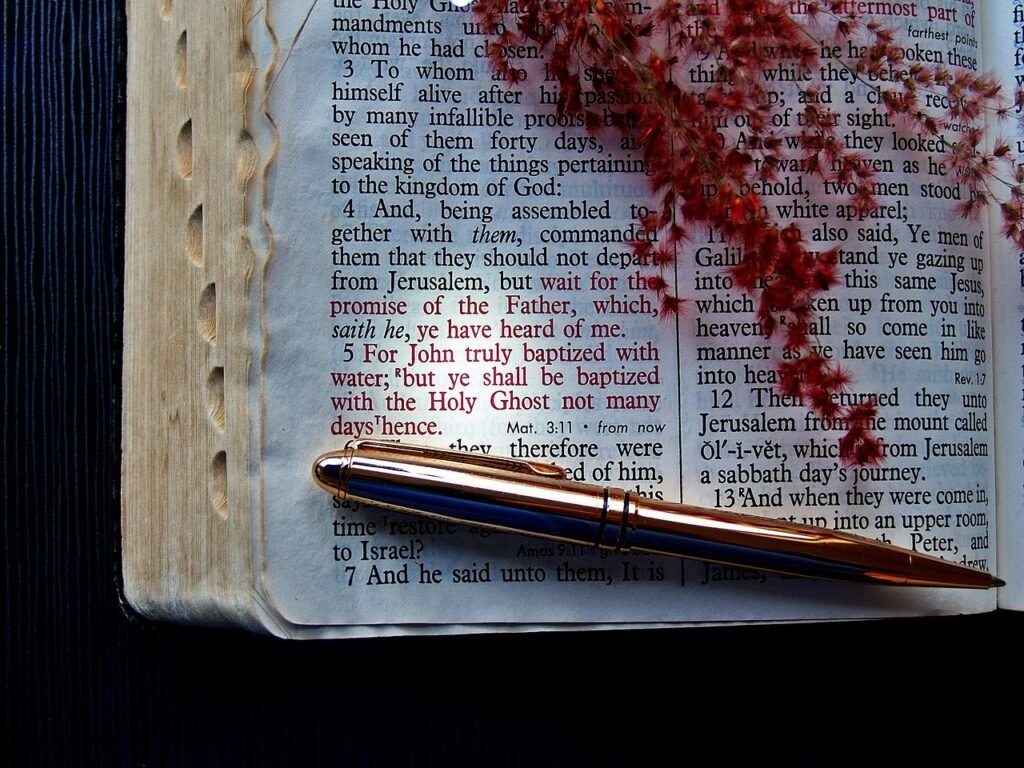
While often used interchangeably, “Bible verse” and “scripture” have distinct meanings that are helpful for every believer to understand. A “Bible verse” refers to a specific, numbered sentence or short passage within the Bible, designed for easy reference and study. “Scripture,” on the other hand, is a broader term encompassing the entire collection of sacred writings that make up the Bible, viewed as divinely inspired revelation.
Understanding this distinction helps us appreciate the Bible not just as a collection of individual sayings, but as a cohesive, inspired narrative. When we speak of “scripture,” we’re referring to the whole counsel of God, the complete body of written truth that guides our faith and life. A “Bible verse” is a part of that larger whole, a particular segment we might memorize, meditate on, or use to support a point.
The Structure of God’s Inspired Word
The Bible, as we know it today, is organized into books, chapters, and verses. This organizational system wasn’t part of the original writings. Ancient texts were typically written in continuous blocks of text, often without spaces between words or punctuation. The division into chapters came much later, around the 13th century, attributed to Stephen Langton, then Archbishop of Canterbury. The further division into numbered verses was primarily a 16th-century innovation, largely credited to Robert Estienne (Stephanus), a French printer.
These divisions were created to make the Bible easier to navigate, study, and reference. Imagine trying to find a specific teaching in a book without any page numbers, chapters, or paragraphs! The verse numbering system allows us to pinpoint exact statements, making it possible for preachers, teachers, and students to refer to the same specific passage with precision. This is why we might say, “Let’s read John 3:16,” referring to a very particular sentence within the Gospel of John.
Why Learning Bible Verses Matters
For believers, learning Bible verses is a powerful spiritual discipline. Memorizing Scripture allows us to carry God’s Word with us wherever we go, making it readily accessible for encouragement, guidance, and spiritual warfare. When we commit verses to memory, they become a wellspring of truth in our hearts and minds. Jesus himself quoted Scripture when tempted by the devil (Matthew 4:1-11), demonstrating the power of having God’s Word hidden in our hearts.
But how do we go about learning Bible verses effectively? There are many methods, and what works best can vary from person to person:
- Repetition: Read the verse aloud multiple times. Write it down. Say it to yourself throughout the day.
- Context: Understand the surrounding verses and the chapter’s theme. Knowing the context helps the verse make more sense and stick in your mind.
- Flashcards: Write the verse reference on one side and the verse itself on the other.
- Music: Many songs are based on Scripture, making memorization easier and more enjoyable.
- Application: Think about how the verse applies to your life. When you connect it to real-world situations, it becomes more meaningful and memorable.
- Accountability: Share verses you’re memorizing with a friend or small group.
The goal isn’t just rote memorization, but internalizing the truth so it can transform our thoughts and actions. This is part of how we learn how to depend on God in daily life.
Finding the “Best” Bible Verses for You
The concept of “best Bible verses” is subjective, as what resonates most deeply often depends on an individual’s current life circumstances, struggles, or spiritual needs. However, there are many verses that are universally cherished for their profound truths and comforting messages. Some commonly cited examples include:
- John 3:16: “For God so loved the world, that he gave his only Son, that whoever believes in him should not perish but have eternal life.”
- Philippians 4:6-7: “Be careful for nothing; but in every thing by prayer and supplication with thanksgiving let your requests be made known unto God. And the peace of God, which passeth all understanding, shall keep your hearts and minds through Christ Jesus.”
- Romans 8:28: “And we know that for those who love God all things work together for good, for those who are called according to his purpose.”
- Psalm 23:1: “The Lord is my shepherd; I shall not want.”
To discover what the “best” Bible verses are for you, consider what you are seeking from God’s Word. Are you looking for comfort, guidance, strength, or encouragement? Reflect on your present circumstances and pray for God to lead you to the passages that speak directly to your heart. Engaging in Understanding Verse-by-Verse Bible Study can also help uncover these gems.
The Divine Determination of Scripture
The question of “how are verses determined in the Bible” touches on the broader topic of biblical canonization and textual transmission. As mentioned, the numbering of verses is a relatively modern invention for practicality. However, the content of the Bible—the books included and their original wording—was determined through a much longer and more complex process guided by God’s providence.
For the Old Testament, the Jewish people recognized and preserved the divinely inspired writings over centuries. For the New Testament, the early Christian church, under the guidance of the Holy Spirit, discerned which writings were truly apostolic and authoritative. This process involved examining whether a writing was consistent with orthodox Christian teaching, widely accepted by the churches, and traceable to an apostle or their close associate.
Ultimately, while men were the instruments in recording, preserving, and organizing the Bible, Christians believe the ultimate determination of what constitutes Scripture comes from God Himself. The Bible is God-breathed, inspired by Him, and preserved through history for our instruction, correction, and training in righteousness.
So, whether you’re meditating on a single “Bible verse” or reflecting on the vastness of “Scripture,” remember that you are engaging with the living, active Word of God, a source of eternal truth for your soul.